Locke Matthew
1622-1677
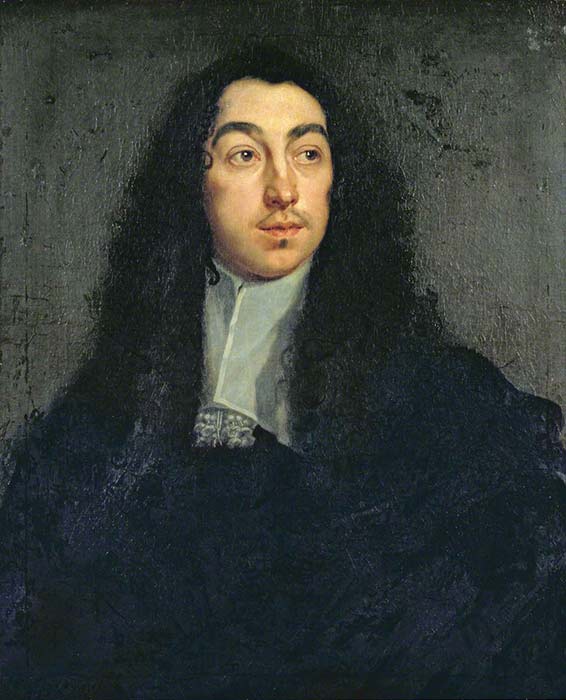
Né à Exeter en 1622 ; mort à Londres en août 1677.
Il fait partie des chœurs de la cathédrale de Exeter, en est exclu en 1641.
Il sert alors dans les armées royales, il est dans la suite du prince Charles en exil.
Il compose de la musique d'église dans le style italien (A collection of songs made when I was in the Lowe Country, Ms Add. 31437, British Museum, Londres).
Il est de retour en Angleterre en 1651, à Londres en 1655. En 1660, il entre au service de la monarchie restaurée.
Voir : John Playford (1623-1686) ; Salmon T. (1648-1706)
Catalogue des œuvres
- London, J. Carr 1673 (9 exemplaires conservés)
- B : Bruxelles, Bibliothèque du conservatoire royal de musique
- GB : Cambridge, Pendlebury Lib. - Cambridge, University library - London, British Museum - London, Royal College of Music - Tenbury, St. Michael's College
- I : Bologna, Biblioteca del Conservatorio (Liceo Musicale ; oggi civico Museo Biblio-grafico Musicale)
- NL : Den Haag, Gemeente Museum
- US : Washington, D.C., Music Division, Library of Congress
- Melothesia. Fac-similé de l'édition de 1673, New York, Broude Brothers Limited 1975.
- Fac-similé, Library of Congress, Washington
- London 1666 (2 exemplaires conservés)
- Cambridge, Fitzwilliam Museum - London, British Museum
- London, W. Godbid, John Playford 1672 (9 exemplaires conservés)
- D : Hannover, Niedersächsische Landesbibliothek
- Cambridge, Mag-dalene College - London, British Museum - Oxford, Bodleian library - I :
- Bologna, Biblioteca del Conserva-torio (Liceo Musicale ; oggi civico Museo Bibliografico Musicale) - US :
- San Marino, Calif., Henry E. Hun-tington Lib. and Art Gallery - Washington, D.C., Music Division, Library of Congress.
- Fac-similé, Library of Congress, Washington
- London, N. Brooke & J. Playford 1673 (12 exemplaires conservés)
- GB : Cambridge, King's College - Cambridge, University library - Durham, Cathedral Lib. - Glasgow, Euing Musical library - London, British Museum - London, Royal College of Music - Oxford, Bodleian library
- US : New York, N. Y., Music Division, New York Public library - Rochester, N.Y., Sibley Music Library, Eastman School of Music - San Marino, Calif., Henry E. Huntington Lib. and Art Gallery - Washington, D.C., Music Division, Library of Congress.
- Fac-similé, Library of Congress, Washington
15 dances, en sol mineur; 4 cordes
2 canons, 6 voix, fa majeur, sol mineur
2 suites, ré mineur et fa majeur, « for entertainment before the king's coronation », 1661, 2 cornets, 3 saqueboutes Baines (London, 1951)
2 suites, si majeur, la mineur, dessus de viole ou violon, basse continue
2voix,basse continue, motet
3 canons, a 3, sol majeur, sol majeur, do majeur, dans C. Simpson, « A Compendium of Practical Music », London 1667
3 suites, sol mineur, sol majeur, mi mineur, pièce en si majeur, 2 violons, basse de viole
4 suites, pour clavecin, do majeur, sol mineur, do majeur, ré majeur / ré mineur
4th entry in The Siege of Rhodes, opéra , de W. Davenant), 1656, perdu
7 voluntaries, la mineur, fa majeur, la mineur, ré mineur, sol majeur, la mineur, ré mineur, orgue
78 pieces, en la majeur, la mineur, si majeur, do majeur, do mineur, ré mineur, ré majeur, 4 cordes
8 pieces, pour clavecin, sol majeur, fa mejeur, do majeur, arrangements de « The History of Sir Francis Drake », « Cupid and Death », « The Little Consort »
A hymn, O God, becometh thee in Syon, chant de dévotion, 3 voix, basse continue
Ad te levavi oculos meos, Motet (1665), 3 voix, 2 violes, violon, 2 basses violes, basse continue
Additions, soli vocaux, chœur, violons, basse continue, dans « Cupid and Death », masque de J. Shirley, 1659 (en collaboration avec C. Gibbons)
Alas, alas, who has been here, on the burial of Sir Charles Lucas and Sir George Lisle ( 1661), 2 voix,basse continue
All things their certain periods have, for the New Year (1666), 3 / 4 voix, basse continue
Almand, en ré mineur, pour basse de viole
Almand, en sol majeur, prelude en la mineur, pou rclavecin
Ambitious man, why dost thou raise, 1 / 4 voix, basse continue
And a voice came out of the throne, chant de dévotion, 2 voix, basse continue
Arise, O Lord, chant de dévotion, 3 voix, basse continue
As on Euphrates shady banks ; I to thy wings for refuge fly ; Lord, to my prayers incline ; My prayers shall with the sun's uprise ascend ; New composed ditties sing ; Now great Jehovah reigns ; Now in the winter of my years ; Remember Edom Lord, chants de dévotion, 2 voix, basse continue, (attribution, douteuse)
Audi, Domine, clamantes ad te, motet à 5 voix, 2 dessus de violes, violon, basse viole, basse continue
Awake, awake, put on thy strength, (perdu, texte dans J. Clifford, « The Divine Services and Anthem », London, 1664
Away with the causes of riches, chanson, 2 voix, dans « Madam Fickle or The Witty False One », pièce de T. D'Urfey, 1676
Be thou exalted Lord (A Song of Thanksgiving for his Majesty's Victory over the Dutch), verse anthem, 12 voix, 2 violons, 2 basses violes, 2 théorbes, 5 cordes, basse continue (1666)
Behold how good, chant de dévotion, 3 voix,basse continue,
Blessed is the man, chant de dévotion, 3 voix, basse continue
Bone Jesu verbum Patris, motet, 2 voix, basse continue
Bone Jesu verbum Patris, motet; 1 voix, basse continue (attribution douteuse)
Cantate Domino canticum novum, 2 voix, basse continue
Cantate Dominum et invocate nomen eius ; Quid faciemus cum tuba de coelo intonare ; Urbs caelestis, urbs beata ; Vox dilecti mei, motets à deux voix, basse continue (attribution douteuse)
Cloris, it is not in our power (texte de G. Etherege), 3 voix
Come honest sexton ( The Passing Bell), chant de dévotion, 2 voix, basse continue
Come let us drink and never think, catch, 3 voix
Come loyal hearts (texte de N. Lanier), pour la nouvelle année (1666) (perdu)
Comes not here the king of peace ; From Neptune's wat'ry kingdoms ; King Charles, great Neptune of the main ; With all our wishes, Sir, go on ; for entertainment before the king's coronation, 3 voix (perdu, texte dans J. Ogilby, « The Relation of his Majestie's Entertainment », London 1661)
Consort of 4 Parts, 6 suites, ré mineur, ré mineur / ré majeur, fa majeur, fa majeur, sol mineur, sol majeur, 4 violes, basse continue
Counterpoint Exercises, (Upon an Ut Re Mi)
Courante, an la mineur, pour clavecin, et hautbois
Dance, flageolet, dans « Love and Honour », pièce de Davenant, 1661
Dance, flageolet, dans « The Comical Revenge, or Love in a Tub », pièce de play, G. Etherege, 1664
Dance, violons, dans « Macbeth », pièce de Davenant, d'après Shakespeare, 1664
Dance, violons, dans « She Would if She Could », pièce d' Etherege, 1668
Descende caelo cincta sororibus regina, Oxford academic ode (1673), 4 voix, 2 violons, basse de viole, basse continue
Divinest siren, cruel fair (texte de T. Stanley), 1 voix, basse continue
Domine est terra, 3 voix,2 dessus de violes, viole ou violon, basse de viole, basse continue
Domine Jesu Christe miserere mei, canon sacré, 6 voix
Domine salvum fac regem, canon sacré, 8 voix (perdu)
Duos, for 2 Bass Viols, 4 suites, en ré mineur, ré majeur, do mineur, do majeur, 1652
English Songe to play on ye Base viol with ye singinge, basse de violes, basse continue
Entry, pou eclavecin, en fa majeur
Fantasy, courante, « The Oxford Suite, en ré mineur, 1665, 2 dessus de viole ou violons, basse de viole, basse continue
Fie, fie, this love keeps such a coil ; Oh the brave jolly gypsy, 2 chansons à 1 voix, basse continue, dans « The Triumphant Widow », pièce de W. Cavendish, 1674
Flow streams of liquid salt, song, 1 voix, basse continue, dans « Albumazar », pièce de T. Tomkis, 1668
For Several Friends, 12 Suites, sol mineur, sol majeur, si majeur, ré mineur, ré majeur, mi mineur, fa majeur, la mineur, la majeur, do mineur, do majeur, ré mineur, dessus de viole ou violon, basse de viole, basse continue
From the depth have I called, chant de dévotion, 3 voix, basse continue
Gloria Patri et Filio, canon sacré, 4 voix
Glory be to the Father, canon sacré, 2 voix
God is gone up with a merry noise, 1 voix (fragment)
Gratiam fac mihi, O Deus, motet à 3 voix, 2 dessus de violes ou violons, basse de viole, basse continue (anonyme, probablement œuvre de Locke)
Hail ye hallowed numens of this place, 1 / 3 voix
How doth the city sit solitary, verse anthem, 5 / 5 voix, orgue
I charge thee Neptune (dialogue enyrte Apollon et Neptune, texte de T. Flatman), pour ma mort de Edward Montagu, comte de Sandwich (1672), 2 voix, basse continue
I know that my Redeemer lives, chant de dévotion, 2 voix, basse continue
I will hear what the Lord God will say ( Lord thou hast been gracious), verse anthem, 7 / 5 voix, 3 instruments (cornet, 2 saqueboutes), basse continue
In a soft vision of the night ( Urania to Parthenissa, texte de Flatman), 1 voix, basse continue
In the beginning, O Lord, chant de dévotion, 3 voix, basse continue
Jesu auctor clementie, motet, 3 voix, 4 cordes, basse continue
Jubilate Deo omnis terra, (1665), 2 voix, 2 dessus de viole ou violons, basse de viole, basse continue
Let God arise, chant de dévotion, 3 voix, basse continue
Lord have mercy on us ( res to the Ten Commandments), I believe in one God, the Father Almighty, 4 voix, hautbois
Lord let me know mine end, chant de dévotion, 2 voix, basse continue
Lord let me know mine end, verse anthem, 5 / 4 voix,orgue
Lord now lettest thou thy servant, chant de dévotion, 3 voix, basse continue
Lord thou hast been gracious ( I will hear what the Lord God will say), verse anthem, 4 / 5 voix,3 instruments (cornet, 2 saqueboutes), basse continue
Lord, rebuke me not, chant de dévotion, 3 voix, basse continue
Lord, thou hast been our refuge, 1 voix (fragment)
Lord, who shall dwell in thy tabernacle, 3 voix (fragment)
Lucinda, wink or veil those eyes, 1 voix, basse continue
Mag, Nunc, verse, 5 / 4voix, (attribution douteuse)
Mr Lock's Tune, en sol mineur, pour violon
Ne'er trouble thyself at the times, 3 voix
No music like that which loyalty sings, chanson, 1 voix (Masque of Orpheus), 4 voix, basse continue, dans « The Empress of Morocco », pièce d'E. Settle, 1673
Not unto us, O Lord, verse anthem, 8 / 8 voix, orgue
O be joyful in the Lord, all ye lands, verse anthem, 4 / 4voix, 4 cordes, basse continue
O bone Jesu miserere mei, canon sacré, 2 voix
O clap your hands together, 1 voix (fragment)
O clap your hands together, 4 / 4voix, 4 violes, basse continue, hautbois, (attribribution douteuse)
O Domine Jesu Christe, motet, 2 voix, basse continue
O give thanks unto the Lord, for he is gracious, chant de dévotion, 3 voix, basse continue
O how pleasant and how fair, chant de dévotion, 2 voix, basse continue
O Lord hear my prayer, chant de dévotion, 3 voix, basse continue
O Lord our Lord, how marvellous is thy name, chant de dévotion, 3 voix, basse continue
O praise God in his holiness, 1 voix (fragment)
O sing unto the Lord a new song, (perdu, texte dans J. Clifford, « The Divine Services and Anthem », London, 1664
Omnes gentes plaudite manibus ( Ascendit Deus), motet, 2 voix, basse continue
Orpheus with his lute, chanson, 3 voix, dans « Henry VIII », pièce de Davenant, d'après Shakespeare, 1663
Parties instrumentales, vocales, et récitatifs, dans « The Step- Mother » pièce de R. Stapylton, 1663 (perdu)
Pavan-almand, en fa majeur, « for entertainment before the king's coronation », 1661, 2 cornets, 4 saqueboutes
Pieces, 2 flageolets (perdues)
Praise our Lord, all ye gentiles, chant de dévotion, 3 voix, basse continue
Psyche (semi-opéra, livret de Shadwell), créé à Londres, Dorset Garden, l e27 février 1675
Recordare Domine creaturae tuae, Motet, 2 voix, basse continue
Room for a man of the town, chanons, dans « The Fool Turn'd Critick », pièce de D'Urfey, 1676 (perdu)
Sanctus, sanctus, sanctus, Dominus Deus, canon sacré, 3 voix
Since by wealth we can't prolong our years, 3 voix
Sing forth sweet Cherubim ( « To a lady singing to herself by the Thames-side », texte de W. Habington), 1 voix, basse continue
Sing unto the Lord a new song, chant de dévotion, 3 voix, basse continue
Suite of branles, roundo, en sol mineur
Suite, 4 cordes, dans «The Tempest » (semi-opéra de T. Shadwell, d'après Shakespeare, 1674
Suite, en sol mineur / si majeur, 2 violons
Suite, pour clavecin, en ré majeur, 1 mouvement d'après « The Little Consort »
Super flumina Babylonis, motet, 4 voix, 2 dessus de viole, ou violon, basse de viole, basse continue
The Apes Dance, violons, dans « The Cruelty of the Spaniards in Peru «, masque de Davenant, 1658
The Broken Consort Part 1, 6 suites, sol mineur,sol majeur, do majeur, do majeur, ré mineur, ré majeur, 2 violons, basse de viole, basse continue, 1661
The Broken Consort Part 2, 4 suites, do mineur / do majeur, ré mineur, ré majeur, mi mineur, fa majeur2 violons, basse de viole, basse continue, 1661 (?)
The Flat Consort, 2 suites, do mineur et si majeur, basse de viole, basse continue ; 3 suites, ré mineur, si majeur, la mineur / la majeur, dessu de viole, 2 basse de viole, basse continue
The Little Consort, 5 suites, en sol mineur, do majeur, ré mineur, si majeur, mi mineur, 2 dessus de violes ou violons, basse de viole, basse continue ; 5 suites, en fa majeur, sol mineur / sol majeur, la mineur, si majeur, ré mineur / ré majeur, dessus de viole ou violon, basse de viole, basse continue, 1651
The Lord hear thee in the day of trouble, verse anthem, 5 / 5voix, 4 instruments (2 cornets, 2 saqueboutes), basse continue
The Symerons Dance, violons, dans « The History of Sir Francis Drake », masquede Davenant), 1659
Then from a whirlwind oracle, chant de dévotion, 1 voix, basse continue
'Tis love and harmony, 4 voix
To Pan, great Pan, 3 voix
Turn thy face from my sins, verse anthem, 5 / 5 voix,orgue
Up and down this world goes, 3 voix
Ut la ut fa me, 3 voix,1685
Voluntary, en la mineur, pour orgue (attribution douteurs)
Welcome royal May (texte d'A. Brome), pour l'anniversaire du roi (1661), 3 voix
When death shall part us from these kids (dialogue entre Thirsis et Dorinda, texte d'A. Marvell), 2 voix,basse continue
When I was in tribulation, chant de dévotion, 3 voix, basse continue
When the son of man shall come in his glory, verse anthem, 6 / 6 voix, 4 instruments ( 2 cornets, 2 saqueboutes), basse continue
Who shall separate us from the love of Christ, verse anthem, 4 / 4voix, basse continue
Wrong not your lovely eyes, 1 voix, basse continue, 1675,
Écrits relatifs à la musique
Melothesia: or certain general rules for playing upon a continued-bass with a choice collection of lessons for the harpsicord and organ of all sorts. Never before published. All carefully reviewed by M. Locke [...] The first part
Modern church-musick pre-accus'd, censur'd, and obstructed in its performance before His Majesty, april 1. 1666. Vindicated by the author M. Locke
Observations upon a late book, entituled, an essay to the advancement of musick, &c. written by Thomas Salmon, M. A. of Trinity Colledge in Oxford. By Matthew Locke, composer in ordinary to His Majesty
The present practice of musick vindicated against the exceptions and new way of attaining musick lately publish'd by Thomas Salmon [...] By Matthew Locke, to which is added duellum musicum by John philipps. Together with a letter from John Playford to Mr. T. Salmon by way of confutation of his essay
Bibliographie
BAKER JOHNATHAN MARK, Aspects of Matthew Locke's Choral Music (thèse). Uni-versity of Illinois [dir. Nicholas Temperley]
DENNISON PETER JOHN, The sacred music of Matthew Locke. Dans « Music & Letters » (60, 1) 1979, p. 60-75
FAIRLEY E. L., Studies in the Music of Matthew Locke (thèse). University of Rochester 1941
—, The String Fantasias of Matthew Locke. Dans « Bulletin of the American Musicological Society » (7) 1943, p. 9
FIELD CHRISTOPHER, Matthew Locke and the consort suite. Dans « Music & Letters » (51/1) 1970, p. 15-25
HARDING ROSAMOND EVELYN MARIE (*1898), A thematic catalogue of the works of Mat-thew Locke with a calendar of the main events of his life. Oxford, Blackwell 1971; revu par Christopher D. Field, dans « Journal of the viola da gamba Society of Great Britain » (3) 1971, p. 25-29
KOOIKER ANTHONY, Locke's Melothesia: Its Place in the History of Keyboard Music in Resto-ration England (thèse). University of Rochester 1962 [410 p.]
LEFKOWITZ M., Matthew Locke at Exeter. Dans « The Consort » (22) 1965, p. 5-16
LEWIS ANTHONY, Matthew Locke: a Dynamic Figure in English Music. Dans « Proceedings of the Royal Musical Association » (74th Sess.) 1947 - 1948, p. 57-71
Matthew Locke. Dans «Proceeding of the Music Association» (74) 1947-1948
SLEEPER WILLIAM ALLEN, Harmonic Style of Four-Part Viol Music of Jenkins, Locke, and Purcell (thèse). University of Rochester 1964 [250 p.]
TILMOUTH MICHAEL, Revisions in the Chamber Music of Matthew Locke. Dans Dans « Proceedings of the Royal Musical Association » (98) 1971-1972, p. 89-100.
Jean-Marc Warszawski
Novembre 1995 - 6 mai 2008.

 À propos - contact |
S'abonner au bulletin
| Biographies de musiciens | Encyclopédie musicale | Articles et études | La petite bibliothèque | Analyses musicales | Nouveaux livres | Nouveaux disques | Agenda | Petites annonces | Téléchargements | Presse internationale | Colloques & conférences | Collaborations éditoriales.
À propos - contact |
S'abonner au bulletin
| Biographies de musiciens | Encyclopédie musicale | Articles et études | La petite bibliothèque | Analyses musicales | Nouveaux livres | Nouveaux disques | Agenda | Petites annonces | Téléchargements | Presse internationale | Colloques & conférences | Collaborations éditoriales.
Musicologie.org,56 rue de la Fédération, 93100 Montreuil.  06 06 61 73 41.
ISSN 2269-9910.
Mardi 6 Janvier, 2026